Systems Restored When Components Fail
Pump and Sewer Line Replacements in Cumming for wastewater systems experiencing persistent mechanical failures or sewage backups
Septic pumps, grinder pumps, and lift station pumps eventually wear out from continuous operation and exposure to wastewater, while underground sewer lines crack, separate at joints, or collapse from soil movement and root intrusion. These failures show up as sewage backing into fixtures, pumps that cycle constantly without moving wastewater, or wet areas and odors appearing above buried lines. Replacement becomes necessary when repairs no longer restore reliable function or when damage has progressed beyond what patching can address, whether the system serves a residential property or a commercial facility requiring uninterrupted wastewater handling. Birddog Development, LLC replaces failed pumps and damaged sewer lines in Cumming, restoring wastewater system performance with durable materials and installation practices that address the conditions that caused the original failure.
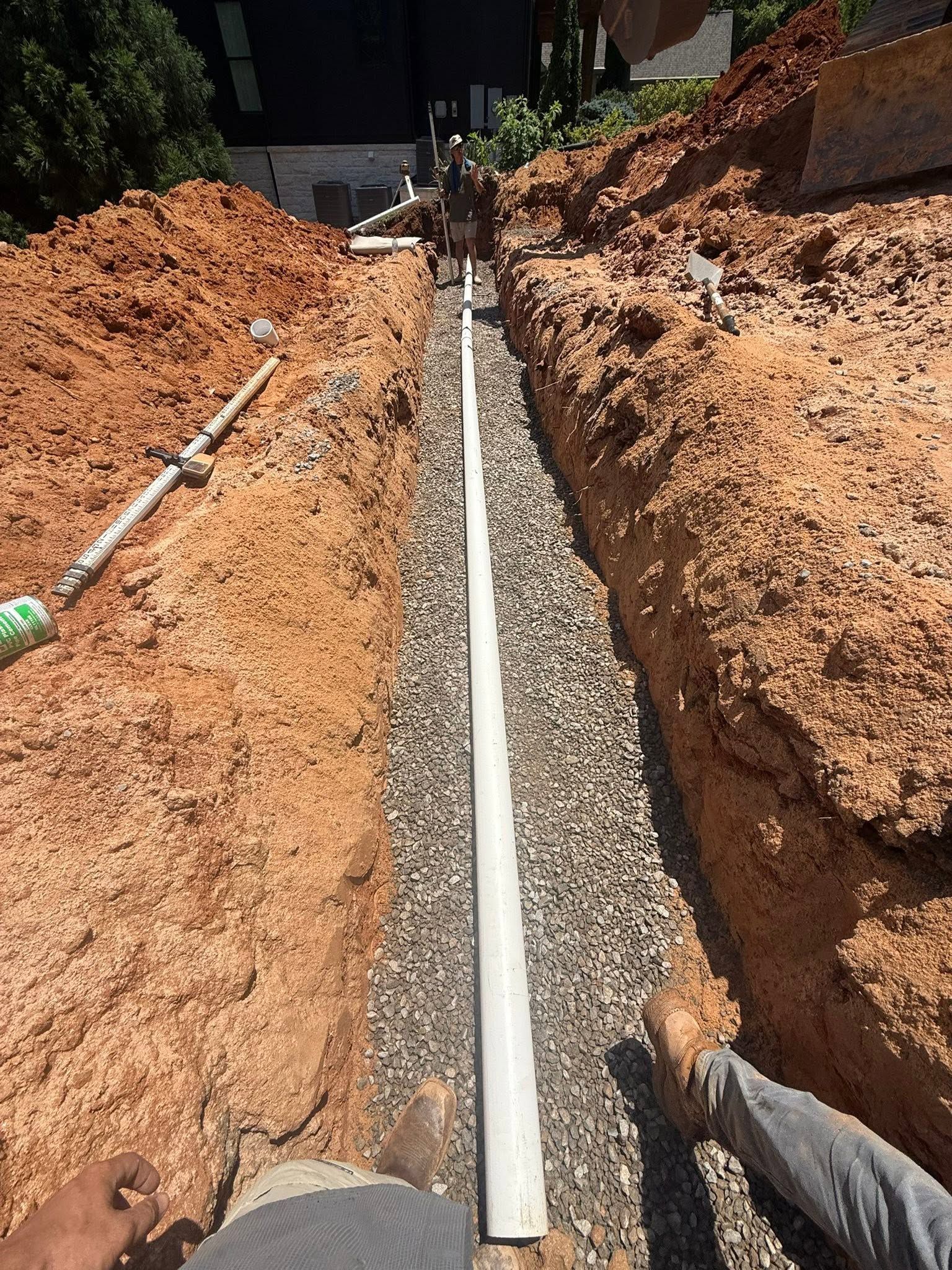
Pump replacement involves removing the failed unit and installing new equipment matched to the system's flow requirements and lift height, which varies based on whether the application involves septic effluent, raw sewage, or commercial wastewater with grease content. Sewer line replacement addresses sections where pipe has cracked from settling, separated at joints from ground movement, or collapsed from external loads, with new pipe installed at proper grade to maintain gravity flow without creating low spots where solids accumulate.
Request an inspection to determine whether your system's problems require component replacement or different interventions.
How Replacement Restores System Function
New pumps move wastewater at design flow rates without the cycling failures, burned motors, or broken impellers that characterize worn equipment, and modern pump designs often include better seal systems and more robust motors than older units. Sewer line replacement eliminates the leaks that allow groundwater to infiltrate and overload septic systems while also preventing sewage exfiltration that creates contamination around the damaged pipe. You notice fixtures draining properly without backups, pumps operating in normal cycles rather than running continuously, and the elimination of sewage odors or wet spots that indicated line failures.
The replacement process includes addressing underlying causes rather than just swapping components. Pumps that failed prematurely due to inadequate electrical supply or improper float settings receive corrections during installation, while sewer lines get replaced with materials and joint types suited to the site's soil conditions and anticipated loads. Lines running beneath driveways might be upgraded to schedule 40 PVC or encased in concrete to prevent future crushing, while areas with aggressive root systems receive solid-wall pipe instead of perforated drain line.
Commercial replacements account for higher flow volumes and the presence of grease or other challenging waste characteristics that residential-grade equipment doesn't handle. Lift station pumps at multi-unit properties or businesses need capacity for peak flows and redundancy to prevent system failures during high-use periods, which involves different equipment selection than single-family residential applications.
What Property Owners Need to Know
Wastewater system failures create urgent problems, and property owners in Cumming want to understand when replacement makes sense versus attempting further repairs and what the work involves.
What signs indicate a pump needs replacement rather than repair?
Pumps that have failed multiple times despite repairs, motors that run hot or draw excessive current, impellers with significant wear or damage, and units that have exceeded typical service life—usually ten to fifteen years for residential septic pumps—typically warrant replacement. Continuing to repair pumps with worn internal components costs more over time than installing new equipment, and repeated failures risk sewage backups that cause property damage.
How do you know when sewer line damage requires full replacement?
Lines with multiple failure points spread throughout their length, pipes that have collapsed or completely separated, and older lines showing widespread deterioration throughout camera inspection footage need replacement rather than spot repairs. Patching one section of a deteriorated line means other sections will likely fail soon, creating repeated excavation and ongoing problems.
Why do replacement projects in Cumming sometimes involve more excavation than expected?
Tree roots, unmarked utilities, soil conditions that require shoring, and previous repairs that were improperly executed all affect how much excavation becomes necessary to safely access and replace failed components. The full scope becomes clear once excavation exposes the actual conditions around failed equipment or damaged pipe, and additional work gets discussed before proceeding.
Can pump replacements upgrade system capacity for changed usage?
Replacement provides opportunity to install pumps with greater capacity if property use has intensified since the original installation, such as converting single-family homes to rental properties with higher occupancy or businesses that have expanded operations. The existing tank and drain field must support increased flows, but pump capacity can be adjusted during replacement to match current needs.
What materials do modern sewer line replacements use?
Schedule 40 PVC has become standard for most residential and commercial sewer lines because it resists corrosion, maintains strength under burial loads, and provides decades of service when properly installed. Some applications use SDR pipe rated for sewer service, and special conditions might require different materials, but PVC with solvent-welded joints has proven durability for underground wastewater applications.
When repairs no longer keep your wastewater system functioning reliably, component replacement restores performance and eliminates ongoing problems. Birddog Development, LLC handles pump and sewer line replacements for residential and commercial properties, providing durable installations that address both the failed component and the conditions that caused the failure. Schedule an inspection to assess your system's condition and receive detailed replacement recommendations.