Drip Systems for Sites Conventional Methods Can't Serve
Specialty Engineered Septic Systems (Elgin Drip Mounds) in Cumming for properties with challenging soil, terrain, or space limitations
Properties with shallow bedrock, clay soils that drain slowly, high seasonal water tables, or insufficient space for conventional drain fields cannot support gravity-fed septic systems that rely on natural soil absorption within a limited area. Engineered systems using drip distribution technology spread treated effluent across a wider surface area through shallow tubing networks installed in mounded soil, allowing wastewater treatment on sites where standard installations would fail within months due to hydraulic overloading or inadequate separation from groundwater. Birddog Development, LLC holds Elgin certification for specialty system installation, addressing residential and commercial projects where site conditions demand advanced treatment and distribution methods.
Elgin drip mound systems pump effluent from a dosing chamber through pressure-regulated tubing installed in raised beds of imported sand and gravel, distributing wastewater in controlled doses that prevent soil saturation. The mounded design creates vertical separation between effluent and restrictive soil layers or water tables, while drip emitters deliver small, frequent doses that maximize treatment through biological filtering in the upper soil zone rather than overwhelming absorption capacity with large gravity flows.
Schedule a site consultation to determine whether your property conditions require engineered septic solutions and obtain design specifications.
What Changes After Engineered System Installation
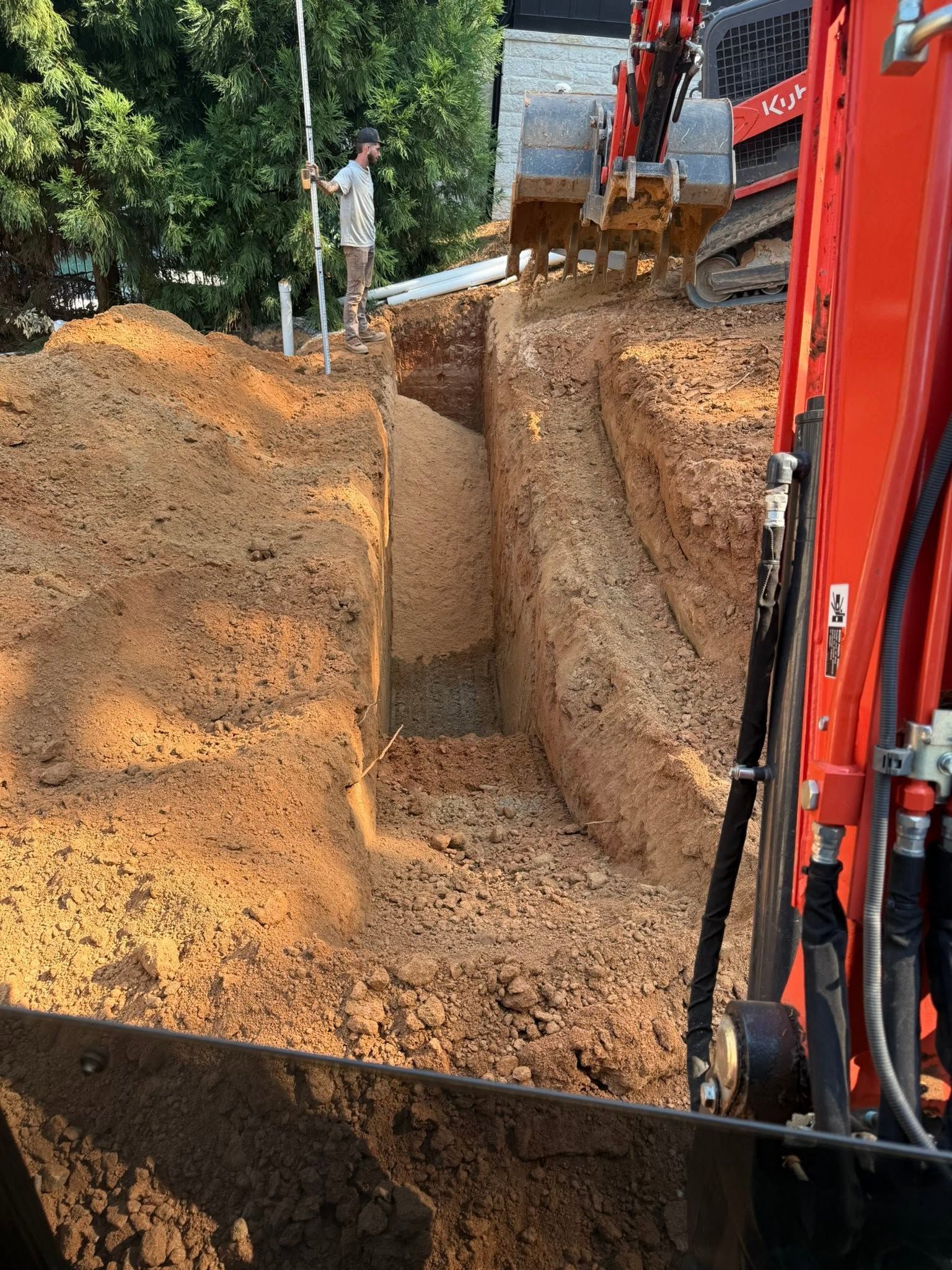
Drip distribution systems include additional components beyond conventional septic installations, such as pump chambers with redundant floats, filtration units that screen solids before effluent enters distribution tubing, and control panels that manage dosing cycles based on wastewater volume. Tubing networks install in shallow trenches within the mound structure, typically six to twelve inches below the surface, spreading effluent across a larger treatment area than gravity systems can reach without excessive excavation or multiple drain field zones.
After installation, your household plumbing functions normally without any noticeable difference in fixture drainage or water usage restrictions beyond standard septic system practices. The mound structure appears as a raised landscaped area that requires grass cover to prevent erosion and maintain soil structure, blending into property topography once vegetation establishes. Pump chambers operate automatically based on wastewater levels, with control panel indicators showing normal cycling and alarm systems remaining silent unless high-water conditions develop due to blockages or mechanical failures requiring service attention.
Engineered systems meet Georgia Department of Public Health requirements for sites where conventional designs cannot achieve required separation distances or provide adequate treatment capacity. Certification documentation transfers with property ownership, establishing that the installed system complies with applicable design standards for challenging site conditions that otherwise would prevent development or habitation.
Answers to Frequent Service Questions
Property owners considering engineered septic solutions typically want to understand how these systems differ from conventional installations.
What site conditions require drip distribution instead of conventional drain fields?
Sites with less than 24 inches of suitable soil above bedrock or seasonal water tables, clay soils with percolation rates slower than 60 minutes per inch, or insufficient setback distances for standard drain field placement typically require engineered alternatives that provide treatment in modified soil environments.
How does Elgin certification affect system installation quality?
Elgin-certified installers receive manufacturer training on component specifications, tubing layout requirements, and control system programming, ensuring that drip distribution networks function according to hydraulic design parameters that prevent emitter clogging and uneven effluent distribution across the treatment area.
Why do mound systems require imported sand and gravel instead of using native soil?
Imported media provides consistent particle size and percolation characteristics that allow controlled wastewater treatment, while native clay or rocky soils lack the drainage capacity and biological activity needed for effective effluent processing within the mound structure's limited vertical profile.
What maintenance do drip systems require beyond routine tank pumping?
Effluent filters require periodic cleaning to prevent solids from entering distribution tubing, while pump chambers need occasional inspection to verify float operation and motor function, with maintenance intervals typically coordinated during scheduled septic pumping appointments.
When do commercial properties in Cumming need engineered septic systems instead of conventional designs?
Commercial sites generating higher wastewater volumes or containing restaurants, medical offices, or facilities with specialized waste streams often exceed conventional system capacity limits, requiring engineered solutions that provide adequate treatment and comply with stricter discharge standards for non-residential applications.
Birddog Development, LLC designs and installs Elgin-certified drip distribution systems throughout Forsyth County and North Georgia, addressing sites where conventional septic installations cannot meet performance or regulatory requirements. Request a property evaluation to review site conditions and discuss engineered system options that accommodate your development plans.